

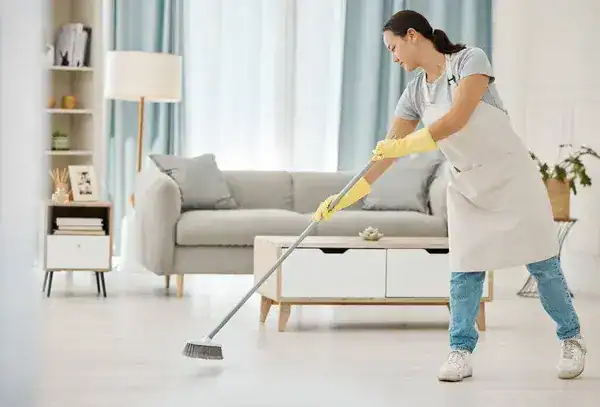
Creating a home environment that minimizes allergens is essential for maintaining the health and comfort of all occupants, particularly those with allergies or respiratory issues. Allergens can come from various sources, including dust mites, mold, pet dander, and pollen. To effectively reduce these allergens, it is crucial to implement a multi-faceted approach that addresses each potential source.
One of the first steps in this process is to establish a regular cleaning routine. This includes vacuuming carpets and upholstery with a vacuum equipped with a HEPA filter, which can trap even the smallest particles that contribute to allergic reactions. In addition to regular cleaning, it is important to consider the materials and furnishings within the home.
Opting for hardwood or tile flooring instead of carpets can significantly reduce dust accumulation. Furthermore, choosing furniture with smooth surfaces that can be easily wiped down will help minimize the collection of dust and allergens. Curtains and drapes should be washed frequently or replaced with blinds that are easier to clean.
By making these conscious choices, homeowners can create an environment that is less conducive to allergen build-up.
Minimizing Dust and Pollen Build-Up
Dust and pollen are two of the most common allergens found in homes, and their presence can lead to significant discomfort for sensitive individuals. To minimize dust accumulation, it is essential to focus on both cleaning practices and environmental controls. Regular dusting with microfiber cloths can effectively capture dust particles rather than just moving them around.
Additionally, using an air purifier with a HEPA filter can help trap airborne dust and pollen, providing cleaner air for residents. Pollen, on the other hand, often enters the home through open windows and doors. To combat this, homeowners should consider keeping windows closed during high pollen seasons and using air conditioning instead.
Installing screens on windows can also help reduce the amount of pollen that enters while still allowing for ventilation. Furthermore, it is advisable to change clothes and shower after spending time outdoors during peak pollen times to prevent bringing allergens inside. These proactive measures can significantly reduce the levels of dust and pollen within the home.
Improving Indoor Air Quality
Indoor air quality is a critical aspect of overall health, particularly for those with allergies or respiratory conditions. Poor indoor air quality can be exacerbated by various factors, including inadequate ventilation, the presence of volatile organic compounds (VOCs), and high humidity levels. To improve indoor air quality, it is essential to ensure proper ventilation throughout the home.
This can be achieved by opening windows when weather permits or using exhaust fans in areas such as kitchens and bathrooms to remove excess moisture and pollutants. In addition to ventilation, homeowners should be mindful of the products they use within their living spaces. Many household cleaners, paints, and furnishings release VOCs that can contribute to poor air quality.
Opting for low-VOC or VOC-free products can significantly reduce harmful emissions. Furthermore, incorporating houseplants into the home can naturally improve air quality, as certain plants are known to filter out toxins and produce oxygen. By taking these steps, individuals can create a healthier indoor environment that supports better respiratory health.
Preventing Mold Growth
Mold is another common allergen that thrives in damp environments, making it crucial for homeowners to take preventive measures against its growth. The first step in mold prevention is controlling humidity levels within the home. Ideally, indoor humidity should be kept between 30% and 50%.
Using dehumidifiers in areas prone to moisture, such as basements or bathrooms, can help maintain these levels. Additionally, ensuring proper ventilation in these spaces is vital; exhaust fans should be used during showers or cooking to expel excess moisture. Regular inspections for leaks or water damage are also essential in preventing mold growth.
Homeowners should check plumbing fixtures, roofs, and windows for signs of moisture intrusion. If any leaks are detected, they should be repaired promptly to prevent mold spores from taking hold. In areas where mold has already begun to grow, it is important to address the issue immediately by cleaning with appropriate mold-removal solutions or seeking professional assistance if necessary.
By being proactive about moisture control and leak detection, homeowners can significantly reduce the risk of mold-related allergies.
Eliminating Pet Dander
For pet owners, managing pet dander is a significant aspect of reducing allergens in the home. Pet dander consists of tiny skin flakes shed by animals, which can trigger allergic reactions in sensitive individuals. To minimize pet dander, regular grooming is essential; brushing pets outdoors can help reduce the amount of dander that circulates within the home.
Bathing pets on a regular basis can also help remove loose fur and dander from their coats. In addition to grooming practices, creating pet-free zones within the home can provide relief for allergy sufferers. Designating certain areas, such as bedrooms or specific furniture pieces, as off-limits to pets can help reduce exposure to allergens.
Utilizing air purifiers equipped with HEPA filters in common areas can further assist in capturing airborne pet dander. By implementing these strategies, pet owners can enjoy the companionship of their animals while minimizing allergic reactions.
Alleviating Allergy Symptoms
Even with diligent efforts to reduce allergens in the home, some individuals may still experience allergy symptoms due to unavoidable exposure. To alleviate these symptoms, it is important to have a plan in place that includes both immediate relief measures and long-term management strategies. Over-the-counter antihistamines can provide quick relief from sneezing, itching, and runny noses caused by allergens.
Nasal sprays containing corticosteroids may also be effective in reducing inflammation in nasal passages. In addition to medication, lifestyle changes can play a significant role in managing allergy symptoms. Staying hydrated helps thin mucus secretions and promotes better respiratory function.
Engaging in regular physical activity can also enhance overall health and improve immune function, potentially reducing the severity of allergic reactions over time. For those with more severe allergies, consulting an allergist for personalized treatment options such as immunotherapy may be beneficial.
Creating a Healthier Living Environment
A healthier living environment goes beyond simply reducing allergens; it encompasses creating a space that promotes overall well-being for all occupants. This involves not only addressing allergens but also considering factors such as lighting, noise levels, and general cleanliness. Natural light has been shown to have positive effects on mood and mental health; therefore, maximizing natural light through window treatments or strategic room layouts can enhance the living experience.
Incorporating elements of nature into the home environment can also contribute to well-being. Houseplants not only improve air quality but also add aesthetic value and promote relaxation. Additionally, maintaining a clutter-free space reduces stress and makes cleaning easier, further contributing to a healthier atmosphere.
By focusing on these holistic aspects of living space design, individuals can create an environment that supports both physical health and emotional well-being.
Enhancing Overall Wellbeing
Ultimately, reducing allergens in the home and creating a healthier living environment contributes significantly to enhancing overall well-being. The interplay between physical health and mental wellness cannot be overstated; when individuals feel comfortable in their surroundings free from allergens, they are more likely to experience improved mood and productivity levels. Furthermore, a clean and organized home fosters a sense of control and peace of mind.
Investing time and resources into creating an allergen-free home environment pays dividends not only in terms of physical health but also in emotional resilience and quality of life. As individuals take proactive steps toward reducing allergens—whether through cleaning practices, lifestyle changes, or environmental modifications—they cultivate a space that nurtures their well-being on multiple levels. This comprehensive approach ultimately leads to a more fulfilling life experience for all who inhabit the space.
FAQs
What is allergy season in Montreal?
Allergy season in Montreal, Laval, North Shore, Longueuil, North Shore, Gatineau, Ottawa, Outaouais, Quebec, Lévis or surrounding areas typically occurs in the spring and summer months when pollen levels are high, triggering allergic reactions in many individuals.
How does regular cleaning help during allergy season in Montreal?
Regular cleaning helps during allergy season in Montreal by reducing the amount of allergens such as pollen, dust, and pet dander in the indoor environment, which can help alleviate allergy symptoms.
What are some cleaning tasks that can help during allergy season in Montreal?
Some cleaning tasks that can help during allergy season in Montreal include vacuuming carpets and upholstery, dusting surfaces, washing bedding regularly, and using air purifiers to remove allergens from the air.
Are there specific cleaning products that are recommended for allergy season in Montreal?
Using hypoallergenic or fragrance-free cleaning products can be beneficial during allergy season in Montreal, as they are less likely to trigger allergic reactions in sensitive individuals.
How often should cleaning be done during allergy season in Montreal?
During allergy season in Montreal, it is recommended to clean regularly, at least once a week, to maintain a clean and allergen-free indoor environment.